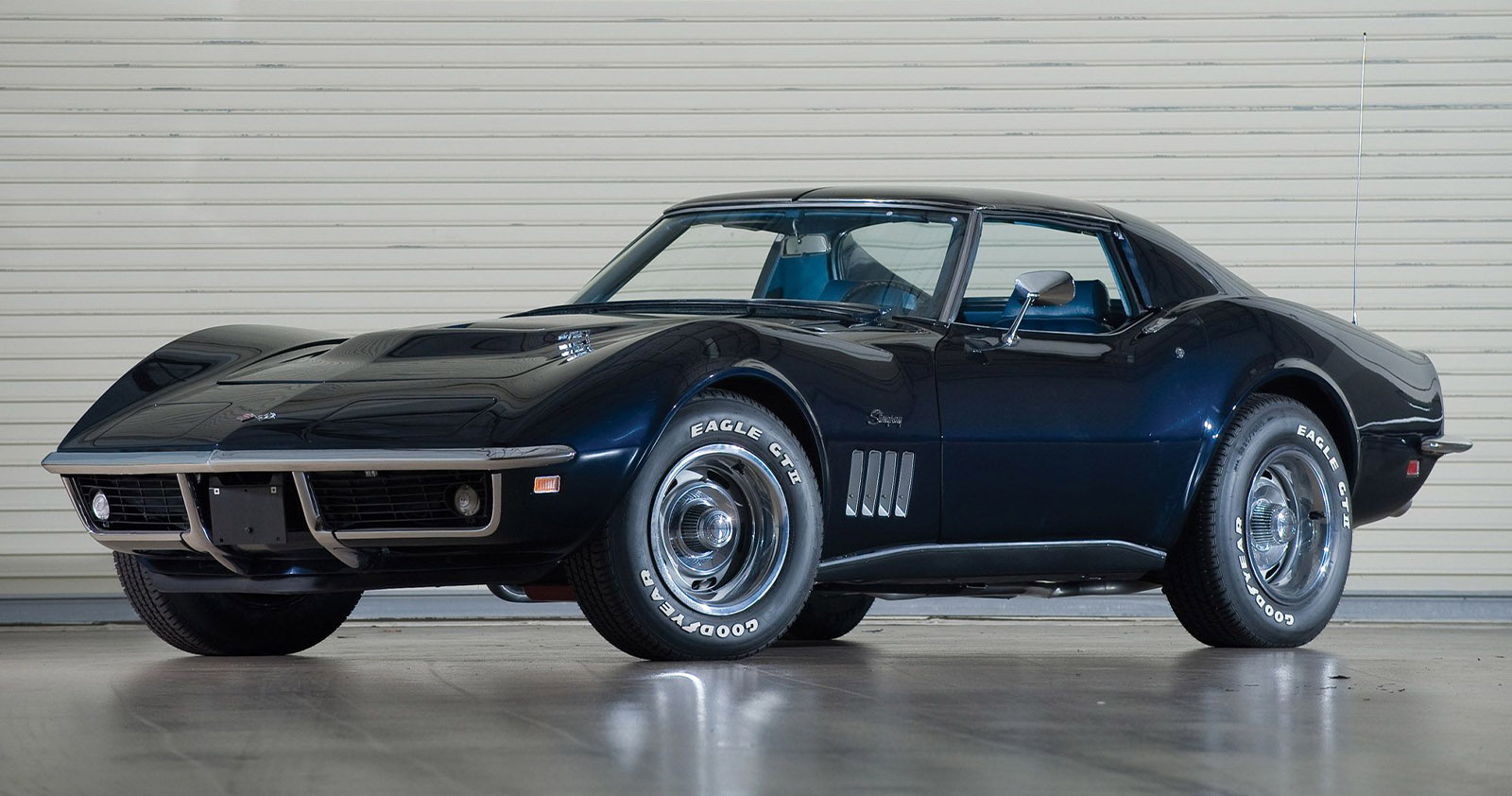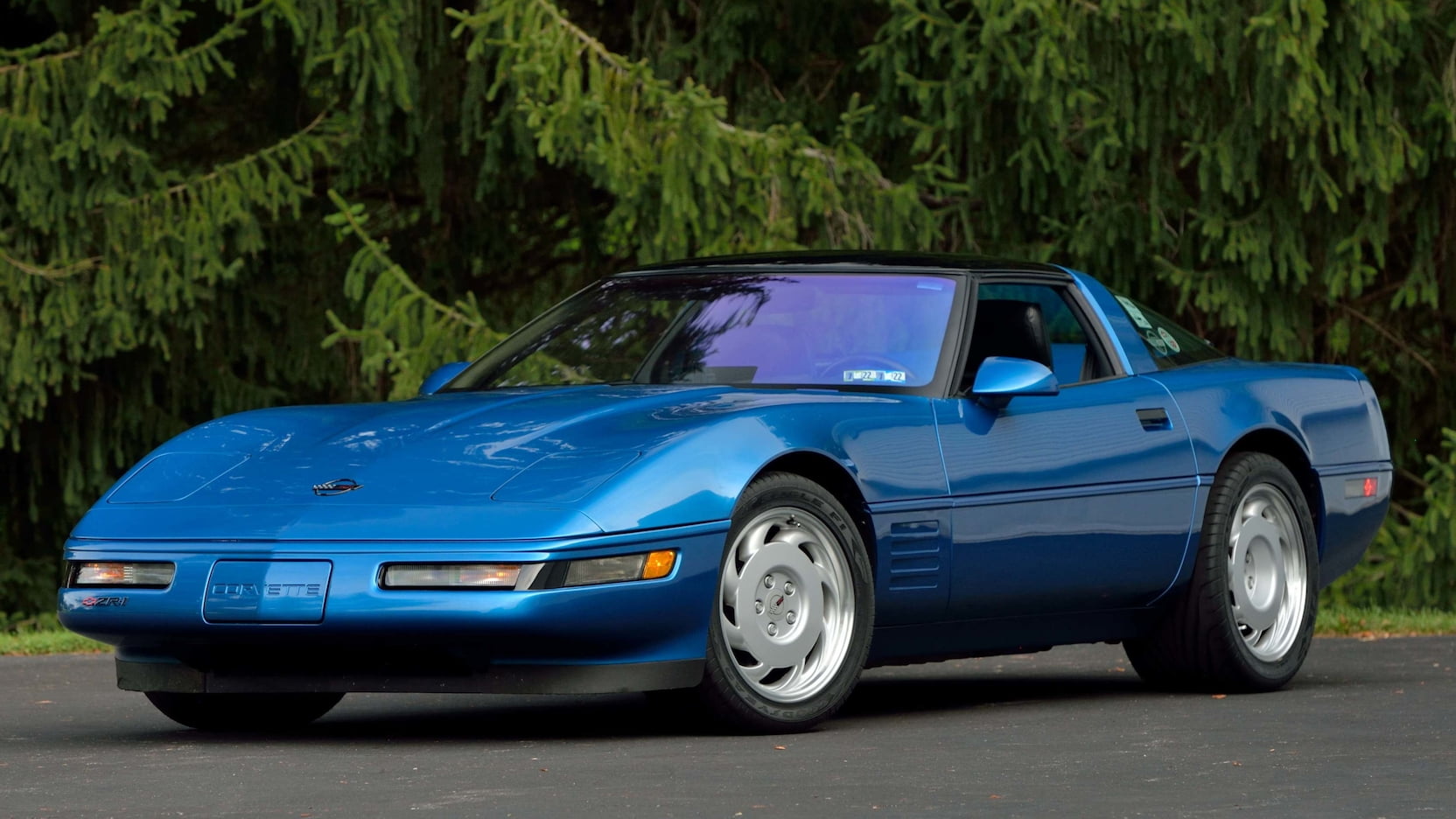
CORVETTE GENERATIONS
The C4 Corvette (1984–1996)
The first all-new Corvette in twenty-one years: thirteen model years, 1984 to 1996, and 358,180 cars. Dave McLellan’s uniframe chassis and Jerry Palmer’s wind-tunnel body, the digital dash, the 4+3, the return of the convertible, Tuned-Port Injection, the Callaway twin-turbos, the Lotus-designed ZR-1 “King of the Hill,” the 300-horsepower LT1 and the Grand Sport that closed the run. This is the hub for all thirteen years.
Quick Nav: Story · Featured · Timeline · Model Years · Specials · ZR-1 · Callaway · Grand Sport · Race Cars · Concepts · Engines · Racing · Buying & Market · Technical · Pics & Videos · All Posts · FAQs
The Basics
Generation: C4 Corvette, the fourth generation; the first all-new Corvette since 1963
Model Years: 1984, 1985, 1986, 1987, 1988, 1989, 1990, 1991, 1992, 1993, 1994, 1995, 1996
Body Styles: Two-door hatchback coupe with a one-piece removable roof panel (1984–1996) and two-door convertible (1986–1996); 283,529 coupes and 74,651 convertibles
Production: 358,180 over thirteen years: 51,547 / 39,729 / 35,109 / 30,632 / 22,789 / 26,412 / 23,646 / 20,639 / 20,479 / 21,590 / 23,330 / 20,742 / 21,536 (1984–1996); 6,939 ZR-1s, 507 Callaway B2Ks, 1,000 Grand Sports
Designers: Jerry Palmer (Chevrolet Studio Three) under Irv Rybicki and Chuck Jordan; interior by Pat Furey’s studio; chief engineer Dave McLellan, who had succeeded Zora Arkus-Duntov in 1975
Chassis: Front-engine, rear-wheel drive; a galvanized steel “uniframe” with a backbone tunnel and a bolt-on front subframe, 96.2-in wheelbase, forged-aluminum control arms, fiberglass transverse leaf springs front and rear, rack-and-pinion steering, four-wheel disc brakes with Bosch ABS from 1986; fiberglass body with a clamshell hood
Engines: 350 ci small blocks: L83 Cross-Fire Injection 205 hp (1984); L98 Tuned-Port Injection 230 to 250 hp (1985–91); Gen II LT1 300 hp (1992–96) and LT4 330 hp (1996); the ZR-1’s all-aluminum 32-valve LT5, 375 and 405 hp (1990–95); Callaway B2K twin-turbo 345 to 403 hp (1987–91)
Transmissions: Doug Nash 4+3 manual with overdrive (1984–88), ZF six-speed manual (1989–96); 700-R4 / 4L60 four-speed automatic, electronic 4L60-E from 1994
Original Price: $21,800 in 1984 ($22,361 with the mandatory 16-in wheel package) to $37,225 coupe / $45,060 convertible in 1996; the ZR-1 was $58,995 in 1990 and $68,043 in 1995
Assembly: Bowling Green, Kentucky; the ZR-1’s LT5 was built by Mercury Marine in Stillwater, Oklahoma
Predecessor: C3 Corvette (1968–1982)
Successor: C5 Corvette (1997–2004)
The Overview
The fourth-generation Corvette was the first clean-sheet Corvette since 1963 and the first to skip a model year: there was no 1983, and the car that went on sale in March 1983 was a 1984. Chief engineer Dave McLellan and designer Jerry Palmer gave it a galvanized uniframe chassis with aluminum suspension arms and fiberglass leaf springs at both ends, rack-and-pinion steering, 16-inch wheels, a clamshell hood, a glass hatch, a one-piece lift-off roof and a digital dashboard, under a body that was 8.8 inches shorter than the C3’s and shaped in a wind tunnel to a 0.34 drag coefficient. What it did not have at first was an engine to match: the 205-horsepower Cross-Fire 350 lasted one year before Tuned-Port Injection arrived for 1985.
From there the C4 grew into the car its chassis had promised. The convertible came back in 1986 after eleven years, Callaway’s twin-turbo B2K went on the order form in 1987, the Doug Nash 4+3 gave way to a ZF six-speed in 1989, and in 1990 the ZR-1 arrived with a 375-horsepower, 32-valve LT5 designed by Lotus and built by Mercury Marine, a $58,995 sticker and a set of world endurance records. The 300-horsepower LT1 of 1992 brought the base car most of the way to the ZR-1 for half the money, the 1,000,000th Corvette was built that July, and the generation ended in 1996 with the 330-horsepower LT4, the Admiral Blue Grand Sport and the Sebring Silver Collector Edition.
Chevrolet built 358,180 C4s, 51,547 of them in the first year, and the generation spans the whole market: a $4,000 1984 and a $85,000 1993 40th Anniversary ZR-1 are the same chassis. In 2026 ordinary L98 and LT1 cars sold for $5,000 to $20,000, 35th and 40th Anniversary cars for $9,000 to $26,000, ZR-1s for $15,000 to $53,500 with Classic.com’s benchmark at $37,240, Grand Sports for $32,500 to $50,000 and documented Callaways for $34,000 to $50,500 and up. This page is the hub: the story, a year-by-year table, every engine, the ZR-1, Callaway, Grand Sport, race cars and concepts, a buying guide with current prices, and links to the thirteen model-year pages and the research behind them.
The C4 Corvette Story
By 1980 the Corvette was a seventeen-year-old chassis under a twelve-year-old body. The C3 still sold forty thousand a year, but it did so on looks and loyalty: its ladder frame dated from the 1963 Sting Ray, its best engine made 230 horsepower, and the Porsche 928, the Ferrari 308 and the Datsun 280ZX Turbo had all passed it on the road. Everyone at Chevrolet knew a new car was overdue. The question was what kind.
The mid-engine car that died, again
Through the 1970s the answer had been Zora Arkus-Duntov’s mid-engine prototypes: the Four-Rotor of 1973 that became the Aerovette when a 400 small block replaced the Wankel in 1976. GM chairman Thomas Murphy approved the Aerovette for production as a 1980 model, and Bill Mitchell and Duntov both retired believing it would be built. It was cancelled in 1978. Duntov’s successor, Dave McLellan, argued that the mid-engine layout cost too much for what it gave, and Chevrolet’s own research said the market had turned toward the front-engine Porsche 924 and 928 and the Datsun Z. The Corvette would stay front-engined; the Aerovette went to the museum, and a mid-engine Corvette waited forty more years.
McLellan and Palmer: form follows function
Work on the C4 began in 1978 with two men who, unusually at General Motors, got on. McLellan had taken over Corvette engineering from Duntov in January 1975; Jerry Palmer ran Chevrolet Production Studio Three under Irv Rybicki and Chuck Jordan. The brief was blunt: it had to look like a Corvette, keep the 350 and the existing drivelines, be smaller outside and bigger inside, see out better and cut through the air better, and fix the C3’s faults. Palmer’s first sketches became a clay in September 1978, and by November 1979 the shape was settled apart from the lamps and the nose.
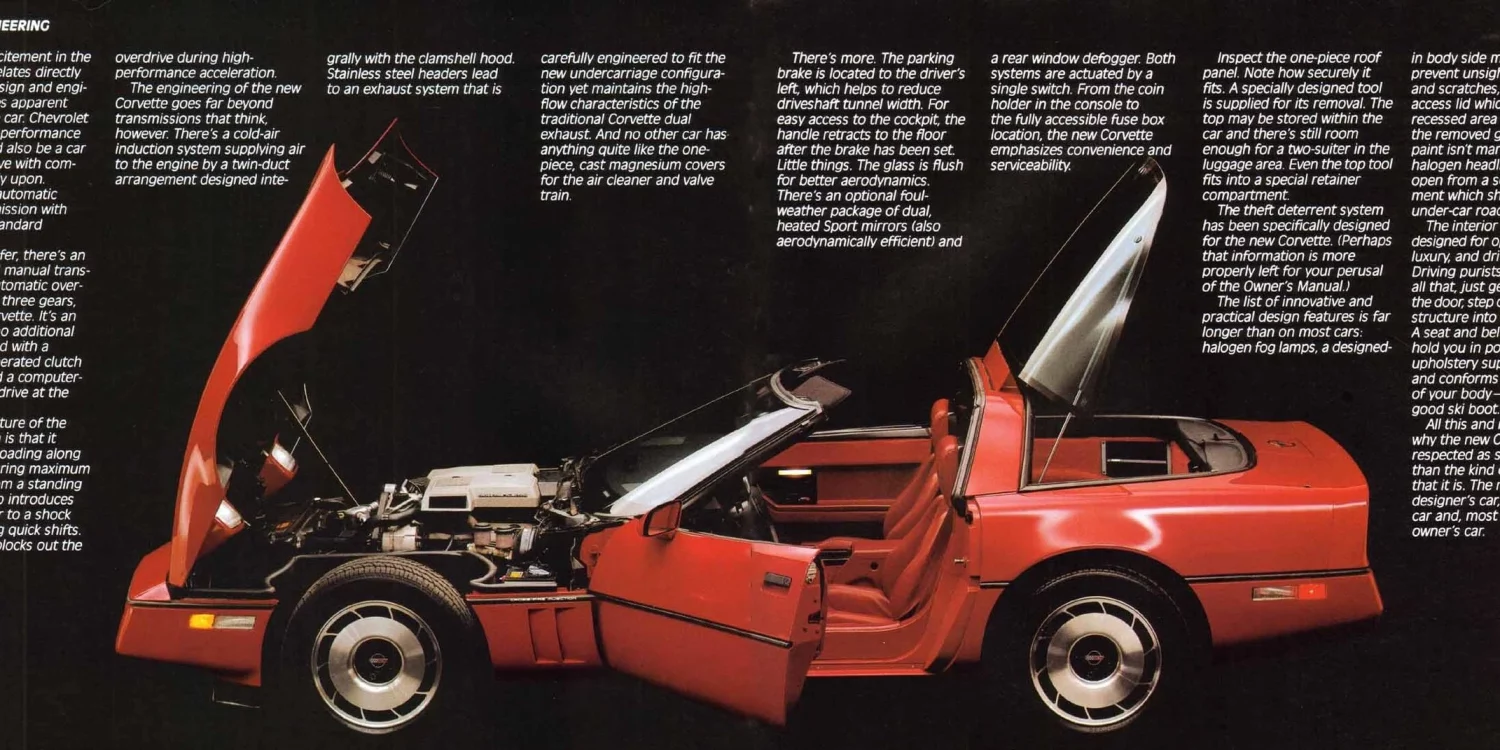
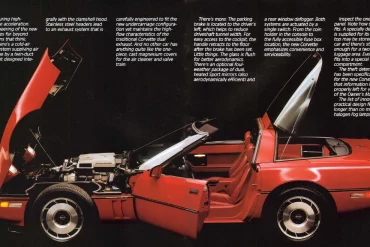
The engineering underneath was new from the ground up. The perimeter frame gave way to a galvanized steel uniframe, a “birdcage” of windshield frame, door pillars, rockers and a rear hoop welded to a backbone that carried the driveshaft and the exhaust down the center and bolted to a front subframe. It let the floor sit at ground-clearance level, which let the roof come down without losing headroom, and the whole car came in 8.8 inches shorter than the C3 on a wheelbase cut to 96.2 inches, with a 64-degree windshield, then the steepest on any American production car. The suspension used forged-aluminum arms, a fiberglass transverse leaf spring at each end, a five-link rear in place of Duntov’s three-link, and rack-and-pinion steering; Z51 cars pulled over 0.90 g on 16-inch Goodyear Eagle VR50 “gatorback” tires developed from Indy-car rain tires, on unidirectional wheels that could not be swapped side to side. The clamshell hood lifted the whole front end for access, the roof panel came off in one piece, the rear window was a glass hatch, and the dashboard was a liquid-crystal display with bar graphs for speed and revs. The wind tunnel had shaped all of it: the drag coefficient fell from the 1982’s 0.44 to 0.34.
The year that never was
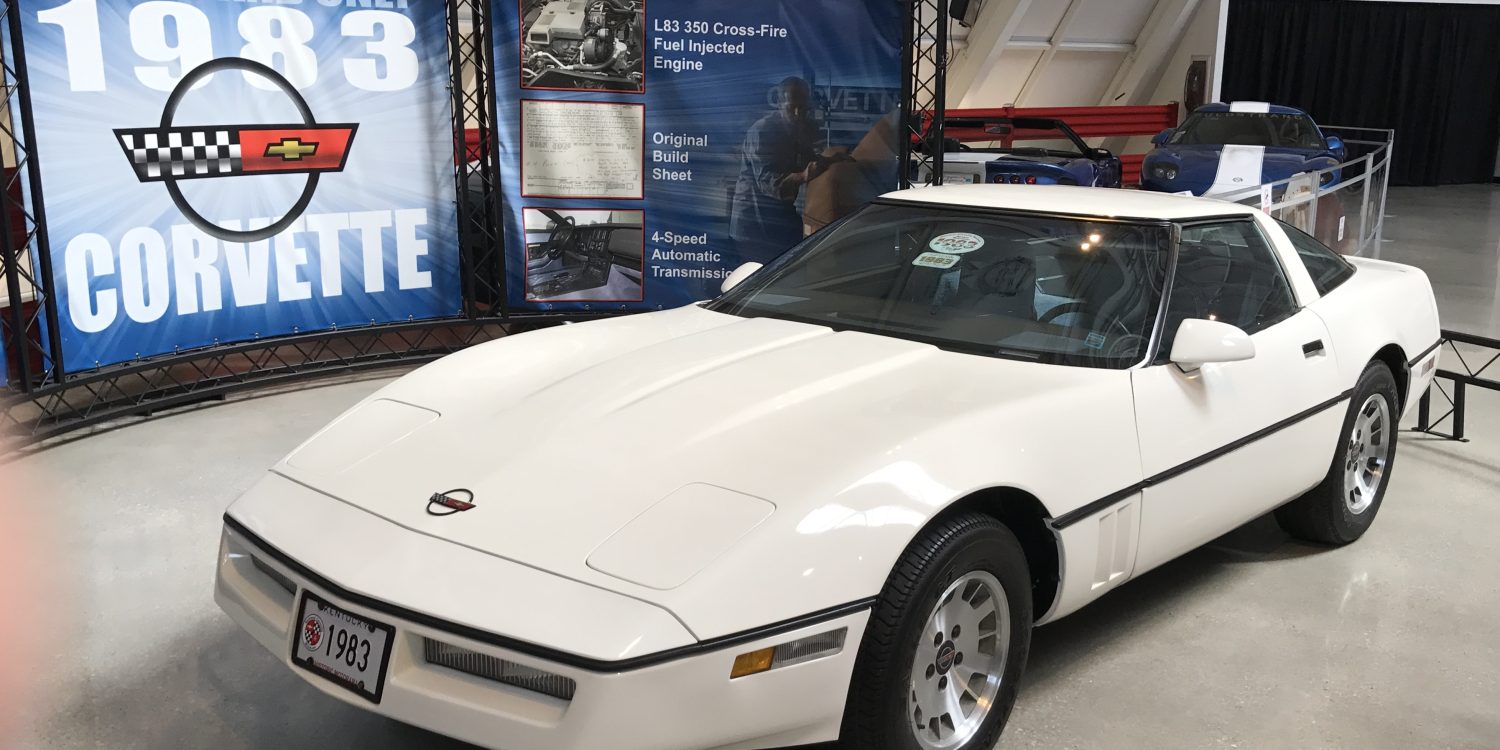
The C4 was meant to be a 1983, the thirtieth-anniversary Corvette. Development and the plant’s changeover ran late, and when the car finally reached dealers in March 1983 Chevrolet called it a 1984, so that the first year would run a full eighteen months. Forty-three 1983 pilot and prototype cars were built and all but one were destroyed; the survivor sits in the National Corvette Museum. The press that drove the new car at Riverside in December 1982 came away impressed by the chassis and unmoved by the engine: the 1984 carried over the 1982’s L83, a 350 with twin-throttle-body Cross-Fire Injection, at 205 horsepower and 290 lb-ft, with a Doug Nash 4+3 manual that added a computer-controlled overdrive to three of its four gears, or a 700-R4 automatic. The 1984 still sold 51,547 copies, the second-best Corvette year ever, at $21,800 plus a mandatory $561.20 for the 16-inch wheels.
1985 to 1989: finding the engine
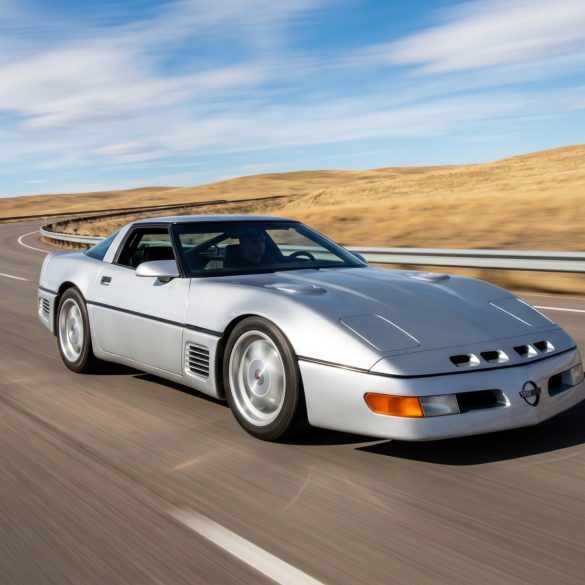
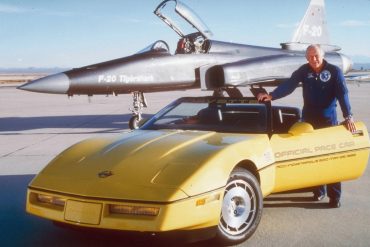
Tuned-Port Injection fixed it. The 1985 L98 made 230 horsepower and 330 lb-ft, ran 150 mph and let Car and Driver call the Corvette the fastest car in America; the springs were softened a quarter and a Dana 44 went behind the manual. The convertible returned for 1986 after eleven years, engineered with ASC until it was stiffer than the coupe, priced at $32,032 and chosen to pace the Indianapolis 500 with Chuck Yeager at the wheel, so every one of the 7,315 built was a Pace Car replica; Bosch anti-lock brakes, aluminum heads and the VATS resistor key arrived the same year. 1987 put roller lifters in the L98 for 240 horsepower and a twin-turbo on the order form: RPO B2K sent 184 cars to Callaway Cars in Old Lyme, Connecticut and brought them back with 345 horsepower, 465 lb-ft and a 177.9-mph top speed for $19,995 over sticker. Callaway built 507 through 1991, plus the one-off 880-horsepower Sledgehammer that ran 254.76 mph at Ohio’s Transportation Research Center in October 1988 and was driven home.
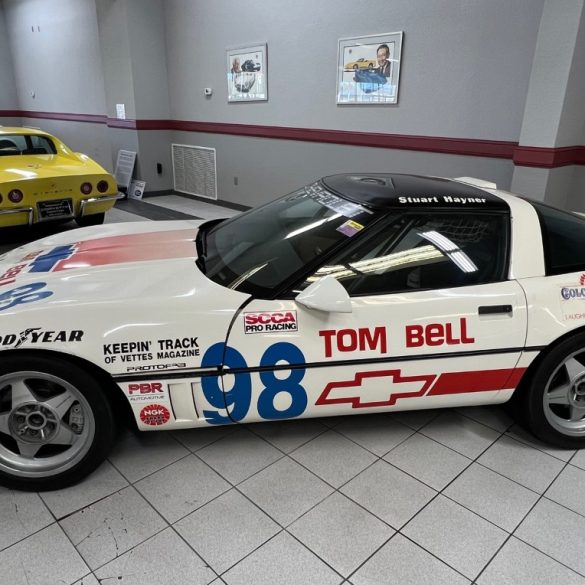
The 1988 was the 35th Anniversary year, with 2,050 white-over-black Z01 coupes, 17-inch wheels on the handling packages, zero-scrub front geometry and bigger brakes. The 1989 retired the 4+3 for a ZF six-speed with a computer-controlled one-to-four skip-shift, made the 17-inch wheels and Bilsteins standard, offered FX3 Selective Ride Control with three damper settings on a console switch, and gave the convertible a bolt-on hardtop. Meanwhile the C4 had been winning so completely in SCCA Showroom Stock GT, every race from 1985 to 1987, that the series banned it, and Chevrolet answered with the Corvette Challenge, a one-make series of 56 identical cars in 1988 and 60 in 1989 with the engines sealed at the factory.
The King of the Hill
The ZR-1 had been shown at Geneva in 1989 and driven by the press in France, built 84 times that year and then held back until the engine was right. The engine was the LT5: a 5.7-liter all-aluminum V-8 with four overhead camshafts, 32 valves and a three-stage induction system with a valet key that locked it to half power, designed by Lotus under Tony Rudd, developed with Chevrolet and built by Mercury Marine in Stillwater, Oklahoma, because no GM plant could. It made 375 horsepower and 370 lb-ft, took the car to 180 mph, and sat in a body with a three-inch-wider convex tail and square lights on 315-section rear tires, with the ZF six-speed and FX3 as standard. The 1990 ZR-1 cost $58,995, nearly twice the $31,979 coupe, and dealers added $20,000 to $40,000 to that; 3,049 were sold. In March 1990, at Fort Stockton, Texas, a near-stock ZR-1 set the 24-hour world record at 175.885 mph and the 5,000-mile record at 173.791 mph, the 24-hour mark having stood since Ab Jenkins set it in 1940. Every 1990 Corvette got a driver’s airbag and a new dashboard with analog gauges beside the digital speedometer.
The 1991 facelift gave every Corvette the ZR-1’s tail, a slimmer nose, body-color moldings and horizontal fender strakes, which left the $64,138 ZR-1 looking much like a $32,455 coupe just as the Dodge Viper arrived. ZR-1 sales fell to 2,044, then 502 in 1992 once the LT1 arrived, and settled at 448 a year for 1993, 1994 and 1995, when the LT5 had been raised to 405 horsepower with new heads, cams and four-bolt mains. Chevrolet built 6,939 ZR-1s, and the last one was driven across the road into the museum on April 28, 1995.
1992 to 1996: the LT1 and the send-off
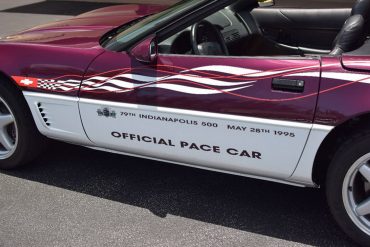
The 1992 LT1 was the second-generation small block: reverse-flow cooling that put the coolant through the heads first, 10.5:1 compression, Optispark ignition driven off the camshaft, Mobil 1 in the sump from the factory and 300 horsepower, enough for 0–60 in five seconds and to make the ZR-1 a hard sell at twice the price. Acceleration Slip Regulation traction control came with it, and on July 2, 1992 the 1,000,000th Corvette, a white convertible with a red interior like the first 1953, came off the Bowling Green line. The 1993 marked forty years with 6,749 Ruby Red cars, passive keyless entry and the 405-horsepower LT5; the 1994 added a passenger airbag, the electronic 4L60-E automatic and sequential injection, and watched the National Corvette Museum open across the road on September 2; the 1995 paced Indianapolis again, with 527 Dark Purple-over-white replica convertibles, and got the ZR-1’s big front brakes and a vented Optispark.
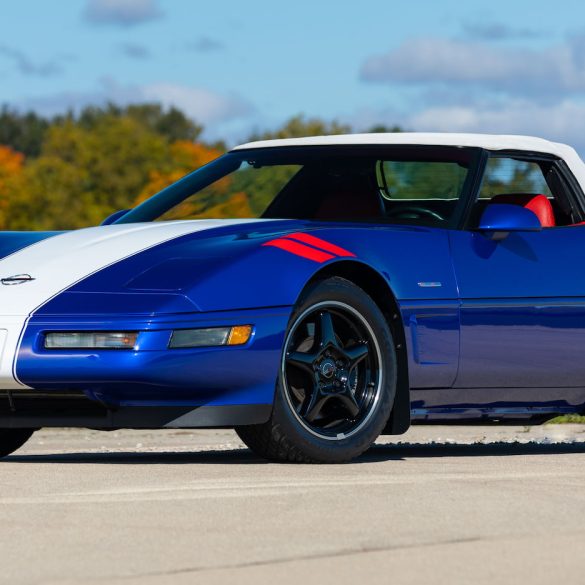
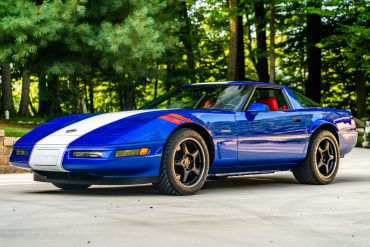
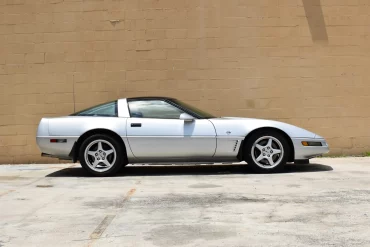
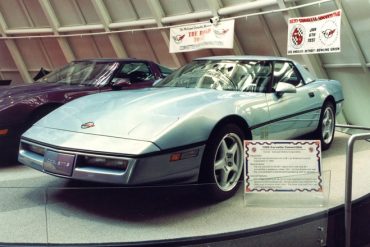
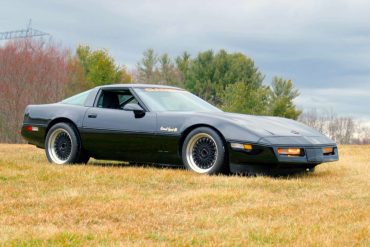
Chevrolet sent the C4 off properly in 1996. The LT4, an LT1 with better heads, a hotter cam, roller rockers and 330 horsepower, powered every six-speed car and was standard in the Grand Sport: 1,000 Admiral Blue cars with a white stripe, two red hash marks on the left fender, black ZR-1-size wheels, flared rear arches on the 810 coupes and their own VIN series, a tribute to the five 1963 Grand Sports. The Collector Edition, 5,412 Sebring Silver cars with silver ZR-1 wheels and embroidered seats, took the other slot, Real Time Damping replaced FX3, OBD-II arrived and Z51 came back for $350. Then the line changed over to the C5 after thirteen years and 358,180 cars.
What the C4 left behind
The C4 is the generation that gave the Corvette back its chassis. Everything the C5 and C6 did better, they did on principles the C4 established: a stiff structure, aluminum suspension, composite springs, serious tires, anti-lock brakes, adjustable dampers, a six-speed, and an engine program that went from 205 horsepower to 405 inside one body. It also gave the marque Callaway, the Corvette Challenge, the ZR-1 name, the Grand Sport revival, the National Corvette Museum and the 1,000,000th car. For buyers it remains the cheapest way into a modern Corvette and, in the ZR-1, Callaway and Grand Sport, one of the quietly appreciating ones. The year pages linked below carry the full specifications, options, colors, VIN ranges and production figures for each of the thirteen years.
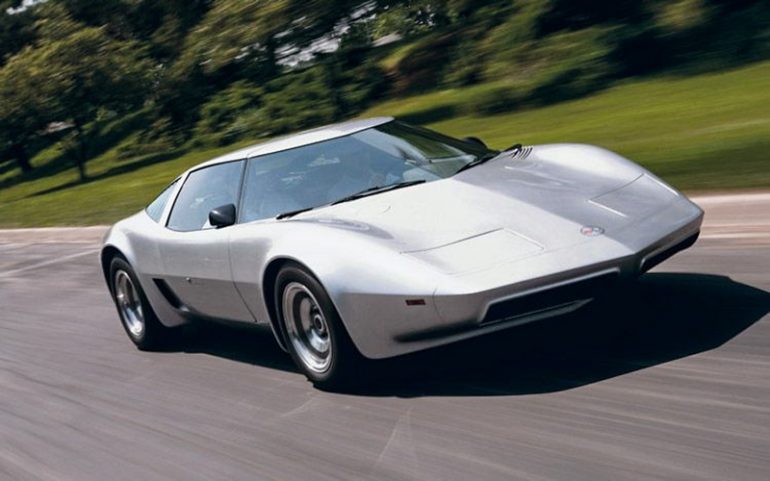 The 1973 Aerovette Prototype
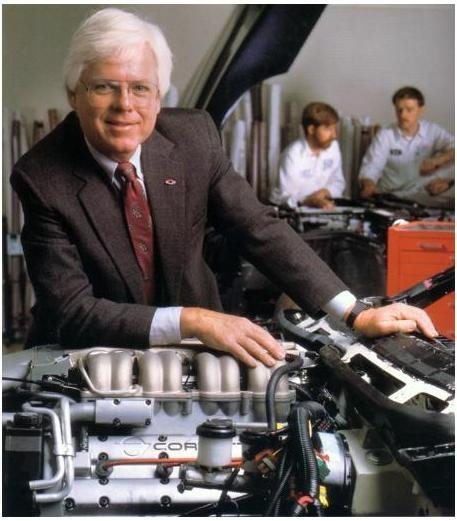 David R. McLellan, Corvette Chief Engineer of the C4 Corvette.
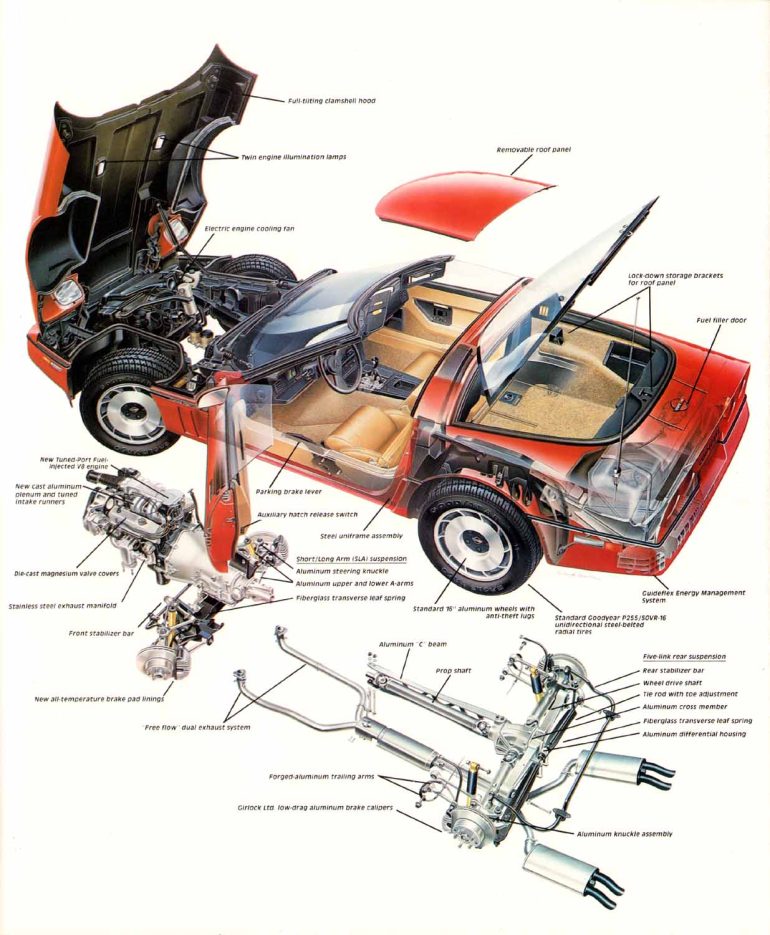 Exposed View Of The Conceptual C4 Corvette.
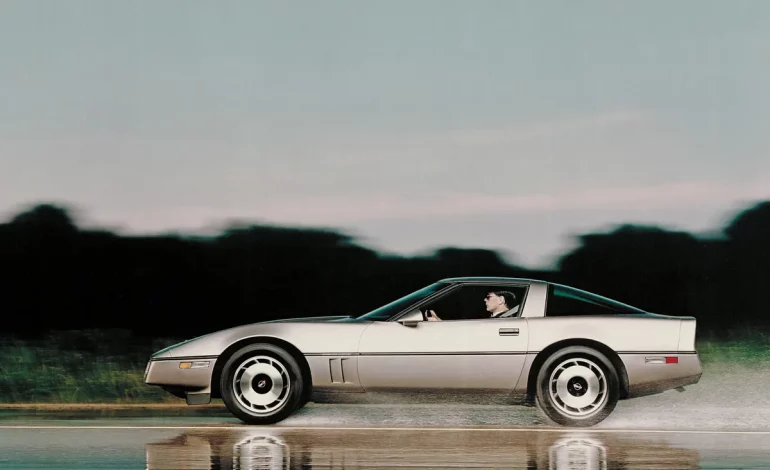
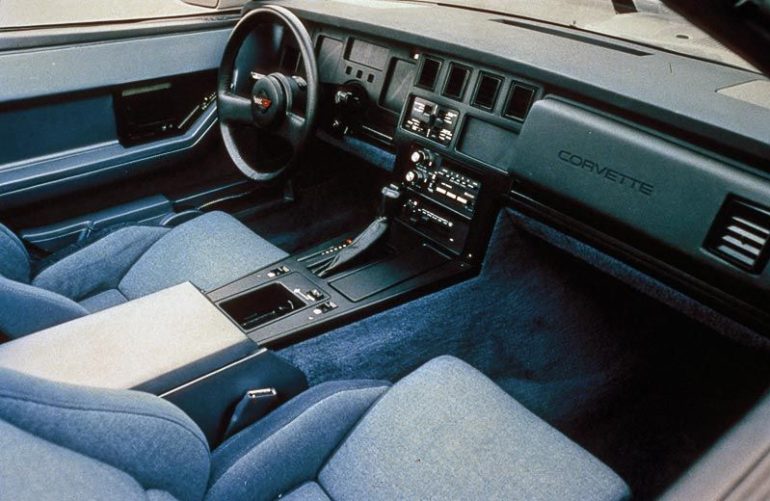 Interior of the 1984 C4 Corvette. Credit: Wikimedia Commons
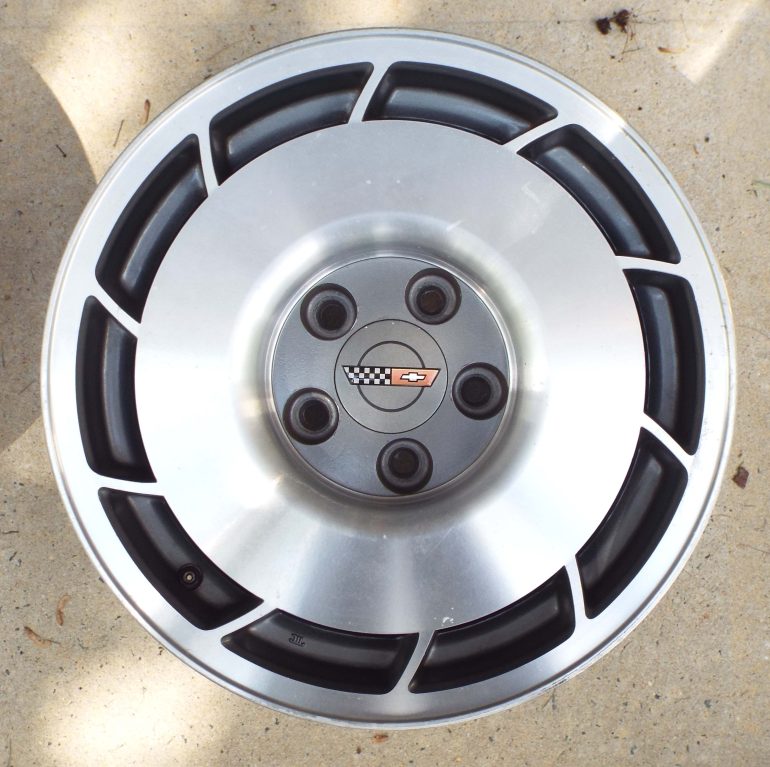 Example of the "Unidirectional Wheel" Developed for the C4 Corvette.
There is exactly one 1983 Corvette. Chevrolet built 43 pilot and prototype cars for the model year it then skipped, and ordered them all crushed; one, white, was hidden behind a fence at the Bowling Green plant by employees and survived. It was restored in 1992 and has sat in the National Corvette Museum since the museum opened in 1994, the only Corvette of its year.
DID YOU KNOW
Featured C4 Corvette Stories
Longer reads from the archive on the cars that made the generation. Most of these are members-only: an ad-free read and the full archive for the price of a tank of fuel. BECOME A MEMBER



The C4 Corvette Year by Year - The Model Timeline
Thirteen model years and three engines’ worth of car. The Cross-Fire 1984 stands alone; the Tuned-Port L98 cars of 1985–91 cover the convertible’s return, Callaway, the 35th Anniversary, the ZF six-speed and the birth of the ZR-1; and the LT1 cars of 1992–96 bring 300 horsepower to every Corvette, the 40th Anniversary, the end of the ZR-1 and the Grand Sport. The quick tells are the dashboard (all-digital to 1989, analog gauges with a digital speedometer from 1990), the nose and tail (the 1991 facelift gave every car the ZR-1’s square-lamp convex tail and body-color moldings), the fender vents (gills from 1991, slotted from 1995) and the wheels (16-inch to 1987, 17-inch from 1988 on performance cars and from 1989 on all).
Production started at the second-highest figure in Corvette history and settled between 20,000 and 26,000 a year from 1988. The collectible cars are the ZR-1s (6,939 across 1990–95), the 507 Callaway B2Ks and the one Sledgehammer, the 1,000 Grand Sports, and the anniversary and pace-car editions; the 1985–91 L98 coupes and convertibles are the least expensive modern Corvettes there are.
1984 Corvette
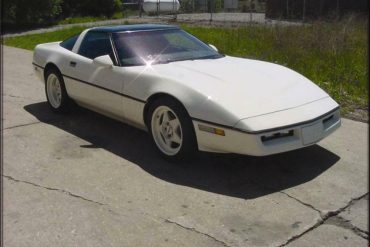
The C4 should have begun selling as a 1983, but it did not: development and quality problems held the introduction to March 1983, six months past the usual September debut, and no 1983 Corvettes were ever sold; the car was introduced as a 1984. With GM still wrestling with emissions regulations, the focus of the early C4 was on handling and chassis dynamics. Despite the delay it was an instant success, selling 51,547 in its first year. Reviewers liked the modern touches, the digital LCD instrument cluster and the 16-inch 50-series Goodyear tires. The 1984 carried over the 350 ci L83 small block from the 1982, with the short-lived throttle-body Cross-Fire Injection, 205 horsepower and 290 lb-ft of torque; the lack of support for that injection system is why some collectors are hard on the 1984 today.
1985–1986 Corvette
Chevrolet kept improving the C4. In 1985 the L83 was replaced by the more powerful and more economical L98 with Tuned-Port Injection, 230 horsepower and 330 lb-ft of torque and a 150-mph top speed; the suspension was softened by 25 percent and 39,729 cars were built.
1986 saw the return of the Corvette convertible for the first time in eleven years. Based on the yellow C4 convertible that paced the 1986 Indianapolis 500, it sold for about $5,000 over the coupe and every one carried an Indy 500 pace car plaque. 1986 was also the year of the PASS-Key I anti-theft system, which only let the car start if it read one of fifteen resistance values from a pellet in the key, and of anti-lock brakes, electronic climate control and a third brake light; 35,109 were built.
1987–1989 Corvette
In 1987 the L98 gained roller hydraulic lifters and 240 horsepower. Buyers who wanted more could order the $19,995 B2K twin-turbo conversion, supplied by Callaway Cars in partnership with Chevrolet, for 345 horsepower and 465 lb-ft of torque and one of the fastest cars of its day; 30,632 Corvettes were built in 1987.
1988 brought the 35th Anniversary Edition, the “Triple White” Corvette: white paint, white wheels and a white leather interior with a black roof panel. Of the 2,050 built, only 180 had the manual transmission. The 1988 also got suspension changes and a new wheel design, and the parking brake moved rearward for easier entry and exit; 22,789 were built. It was the last year of the Doug Nash 4+3, a four-speed manual with an automatic overdrive on the top three gears. The ZF six-speed replaced it for 1989, when 26,412 were built at a base price of $31,545.
1990–1993 Corvette
With Group Lotus, the British engineering consultancy, Chevrolet set out to build the fastest production car in the world. The result was the ZR-1, a C4 option package released for 1990 that set the 24-hour world speed record at over 175 mph and the 5,000-mile record with it. At $58,995 the ZR-1 was by far the most expensive Corvette to that point, and it still sold: 3,049 in the first year, with some buyers paying over $100,000.
The regular 1990 was refined too, with a driver’s airbag and an optional 200-watt six-speaker sound system; 23,646 were built. 1991 brought the facelift, with the ZR-1’s tail and body-color moldings on every car, and the price rose to $32,455; 20,639 were built. 1992 brought much bigger changes: the LT1 V8 replaced the L98 with 300 horsepower and 330 lb-ft of torque, plus the short-lived optically triggered Optispark ignition, and the one-millionth Corvette was built. The base price rose to $33,635 and 20,479 were built.
In 1993 Lotus helped revise the ZR-1’s valvetrain, exhaust and aluminum heads for 405 horsepower. Passive keyless entry arrived on every model, and the 40th Anniversary package brought Ruby Red metallic paint and Ruby Red leather. At a base price of $34,595, 21,590 were built.
1994–1996 Corvette
1994 was a quiet year: the base price rose to $36,185, a passenger airbag was added and the LT1 received sequential fuel injection; 23,330 were built. 1995 was similarly calm, with a second-generation Optispark and new fender vents, at $36,785 and 20,742 cars. For 1996 the optional LT4 delivered 330 horsepower, Real Time Damping monitored the road to adjust the shocks, and the OBD-II diagnostic system arrived.
Chevrolet also released the Grand Sport to celebrate the end of the generation. Inspired by the Grand Sport of 1963, it came only in Admiral Blue with a white stripe, black wheels and bold red hash marks on the driver’s side fender; 1,000 were built, 810 coupes and 190 convertibles. 1996 also brought the Collector Edition in Sebring Silver with silver wheels, 5,412 of them, 4,031 coupes and 1,381 convertibles. In all, 21,536 C4s were built in 1996 at a base price of $37,225.
MORE: PRODUCTION FIGURES / BUILD DATES
| YEAR | BUILT | BASE PRICE | ENGINES | WHAT CHANGED |
|---|---|---|---|---|
| 1984 | 51,547 | $21,800 ($22,361 with the mandatory wheel package) | 350 ci L83 Cross-Fire Injection, 205 hp | All-new car: uniframe chassis, aluminum arms, fiberglass springs, 16-in wheels, clamshell hood, digital dash, one-piece roof, glass hatch; Cross-Fire 350 and the 4+3; no 1983; 51,547 built, second-best year ever |
| 1985 | 39,729 | $24,403 | 350 ci L98 Tuned-Port Injection, 230 hp | Tuned-Port Injection L98, 230 hp and 150 mph; springs softened 25%, Dana 44 with the manual, 16-in wheels now included in the price |
| 1986 | 35,109 | $27,027 / $32,032 convertible | 350 ci L98, 230 hp (iron heads) / 235 hp (aluminum heads) | Convertible returns after eleven years, all 7,315 as Indy Pace Car replicas; Bosch ABS, aluminum heads mid-year, VATS key, third brake light |
| 1987 | 30,632 | $27,999 / $33,172 (B2K +$19,995) | 350 ci L98, 240 hp; Callaway B2K twin-turbo 345 hp (184) | Roller lifters, 240 hp; Callaway Twin Turbo RPO B2K on the order form (184 cars); Z52 handling package |
| 1988 | 22,789 | $29,489 / $34,820 (35th +$4,795) | 350 ci L98, 240/245 hp; B2K 382 hp (125) | 35th Anniversary Z01 (2,050 white-over-black coupes); 17-in wheels on Z51/Z52, zero-scrub front geometry, bigger brakes; last 4+3; Corvette Challenge series |
| 1989 | 26,412 | $31,545 / $36,785 | 350 ci L98, 240/245 hp; B2K 382 hp (69) | ZF six-speed with skip-shift, 17-in wheels and Bilsteins standard, FX3 Selective Ride Control, convertible hardtop; ZR-1 shown and 84 built but held back |
| 1990 | 23,646 | $31,979 / $37,264; ZR-1 $58,995 | 350 ci L98, 245/250 hp; LT5 375 hp (ZR-1, 3,049); B2K 390 hp (58) | ZR-1 on sale: 375-hp LT5, wide tail, $58,995, 3,049 sold; Fort Stockton records; driver’s airbag and new dash with analog gauges for every car |
| 1991 | 20,639 | $32,455 / $38,770; ZR-1 $64,138 | 350 ci L98, 245/250 hp; LT5 375 hp (2,044); B2K 403 hp (71) | Facelift: ZR-1 tail, slim nose, body-color moldings, fender strakes, saw-blade wheels on every car; Z07 package; last L98 and last Callaway B2K |
| 1992 | 20,479 | $33,635 / $40,145; ZR-1 $65,318 | 350 ci LT1, 300 hp; LT5 375 hp (502) | Gen II LT1, 300 hp, reverse-flow cooling, Optispark; ASR traction control; the 1,000,000th Corvette on July 2; ZR-1 sales fall to 502 |
| 1993 | 21,590 | $34,595 / $41,195; ZR-1 $66,278 | 350 ci LT1, 300 hp; LT5 405 hp (448) | 40th Anniversary Ruby Red package (6,749); LT5 to 405 hp; passive keyless entry; narrower front tires |
| 1994 | 23,330 | $36,185 / $42,960; ZR-1 $67,443 | 350 ci LT1, 300 hp; LT5 405 hp (448) | Passenger airbag, 4L60-E automatic, sequential injection, leather standard; National Corvette Museum opens September 2 |
| 1995 | 20,742 | $36,785 / $43,665; ZR-1 $68,043 | 350 ci LT1, 300 hp; LT5 405 hp (448, last) | Last ZR-1 (448, 6,939 in all); Indy 500 Pace Car, 527 Dark Purple replicas; gill fender vents, de Carbon shocks, ZR-1 front brakes |
| 1996 | 21,536 | $37,225 / $45,060 (Grand Sport +$3,250 and LT4 $1,450) | 350 ci LT1, 300 hp; LT4 330 hp (six-speed cars) | LT4 330 hp on six-speed cars; Grand Sport (1,000, Admiral Blue) and Collector Edition (5,412, Sebring Silver); Real Time Damping, OBD-II; last C4 |
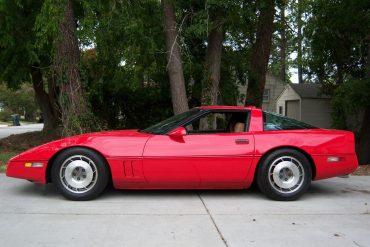
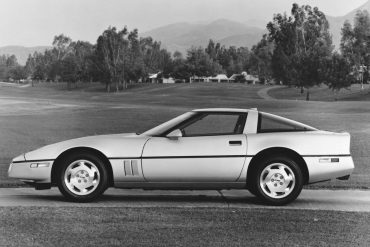
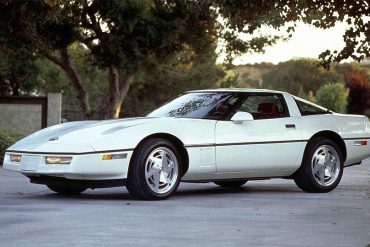
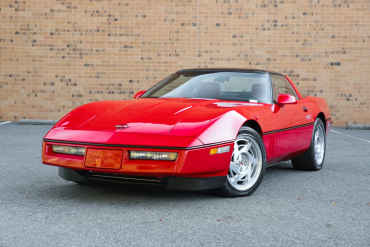
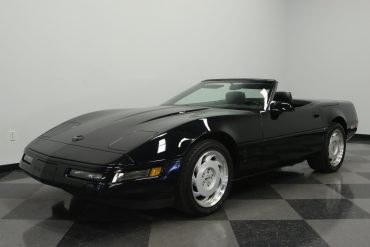
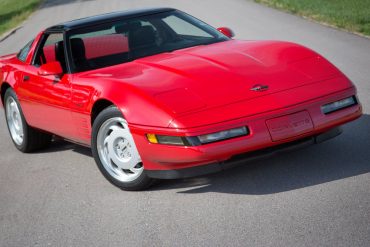
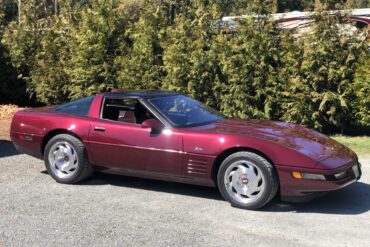
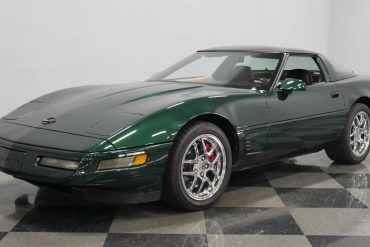
C4 Corvette Model Year Research Hubs (1984–1996)
One page per model year with everything we have on it: the story, specifications, every option and its price, the color chart, VIN ranges, production numbers, pictures, videos, cars for sale and the questions people ask. Start with the year you own or want.
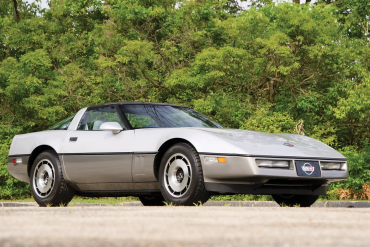
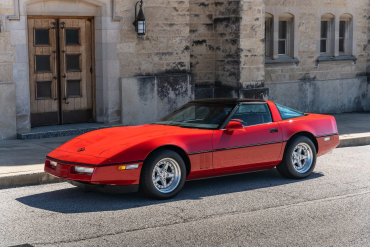
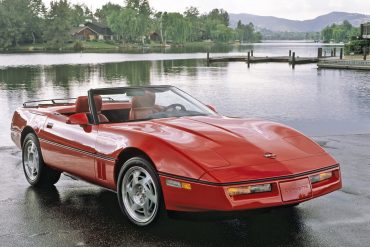
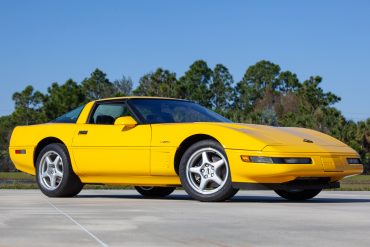
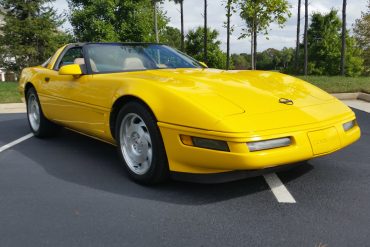
C4 Corvette Special Models, Race Cars & Concepts
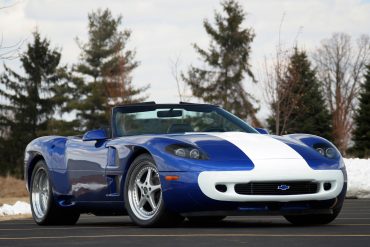
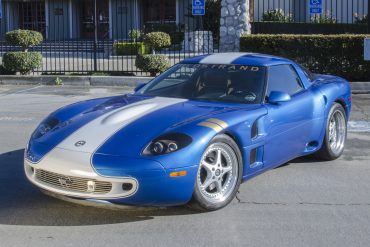
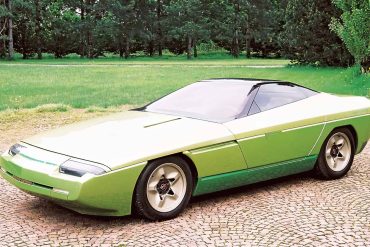
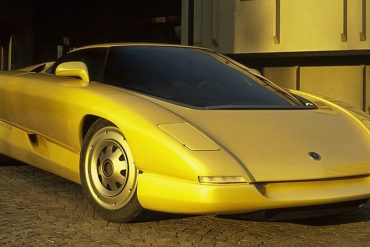
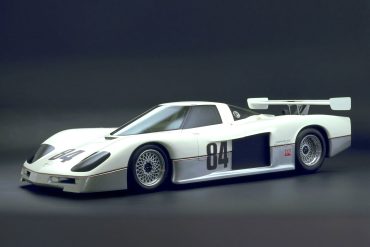
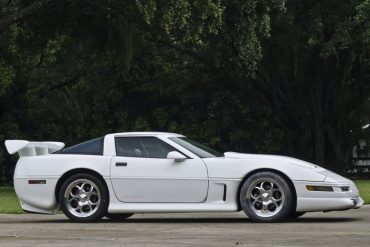
The rare ones and the never-weres: the ZR-1 and its Spyder, Snake Skinner and active-suspension prototypes, the Callaway B2K, Speedster, SuperNatural and Sledgehammer, the 35th and 40th Anniversary cars, the 1986 and 1995 Pace Cars, the Grand Sport and Collector Edition, the Guldstrand GS80 and GS90, the Greenwood G4R, the Corvette GTP, Challenge and Trans-Am race cars, and the concepts from the Bertone Ramarro and the Corvette Indy to CERV III, CERV IV and the Stingray III. The ZR-1, Callaway, Grand Sport, race cars and concepts have their own sections below.
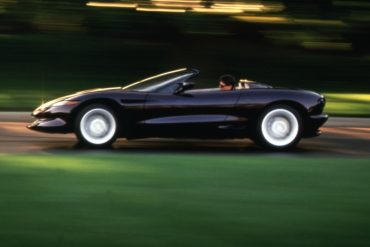
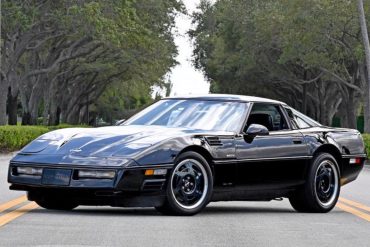
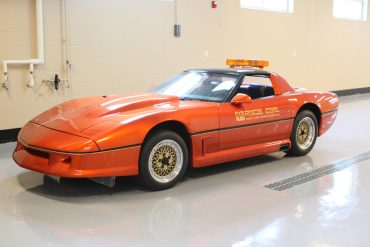
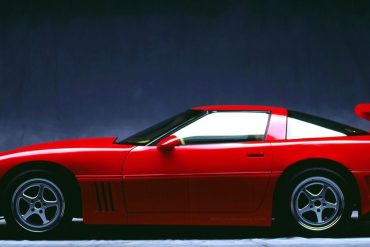
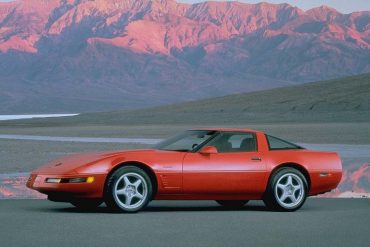
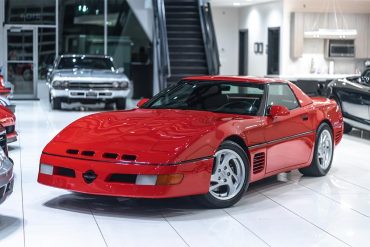
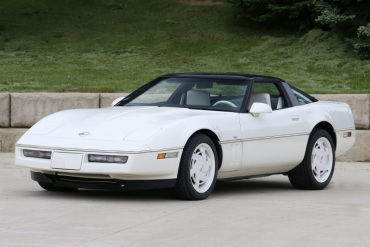
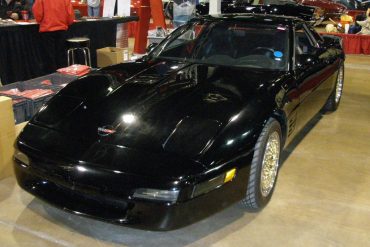
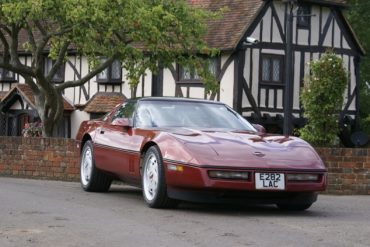
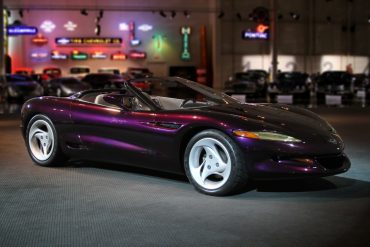
The 1990–1995 Corvette ZR-1
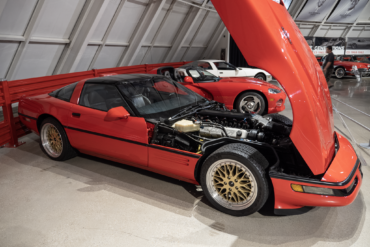
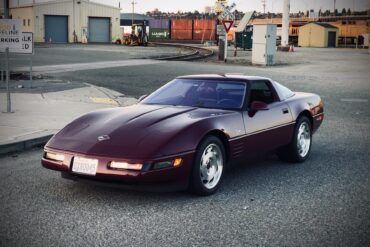
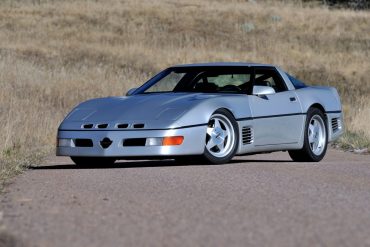
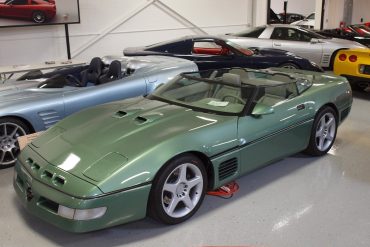
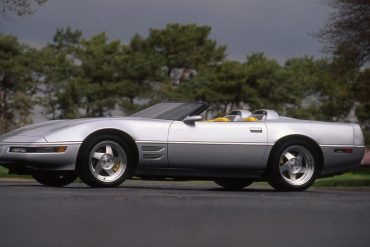
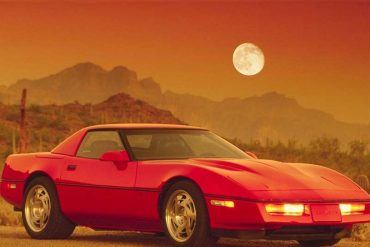
The King of the Hill: an all-aluminum 5.7-liter V-8 with four camshafts and 32 valves, designed by Lotus and built by Mercury Marine, in a Corvette with a three-inch-wider tail, 315-section rear tires, a ZF six-speed and FX3 adjustable shocks as standard. 375 horsepower and 180 mph in 1990, 405 horsepower from 1993, $58,995 to $68,043 against $32,000 to $37,000 for the coupe, and 6,939 built: 3,049, 2,044, 502, 448, 448 and 448. A 1990 ZR-1 set the 24-hour world record at 175.885 mph at Fort Stockton in March 1990. In 2026 driven cars sold for $15,000 to $40,000 and the best for $53,500 to $85,000, with Classic.com’s benchmark at $37,240 in October.
MORE: THE ZR-1 GUIDE / THE RECORD RUN / ALL ZR-1 POSTS


The Callaway Corvettes: B2K Twin Turbo, Speedster, SuperNatural & Sledgehammer
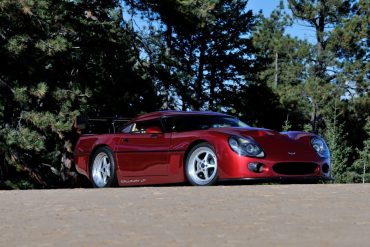
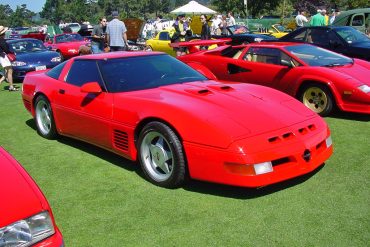
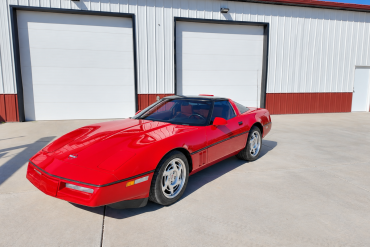
The only tuner you could order from a Chevrolet dealer: RPO B2K sent new Corvettes from Bowling Green to Reeves Callaway in Old Lyme, Connecticut, and returned them with two turbochargers, 345 horsepower in 1987 and up to 403 by 1991, for $19,995 to $33,000 over sticker, under the factory warranty. Chevrolet counted 507 of them across 1987–91. Callaway then built the Speedster, the SuperNatural 383 and 435-horsepower cars of 1992–96 and the Le Mans Corvettes of 1994–95, and the Sledgehammer, an 880-horsepower B2K that ran 254.76 mph at the Transportation Research Center in October 1988 and was driven back to Connecticut on the road. Documented B2Ks sold for $34,100 to $50,500 in 2025–26, with the best cars asking six figures.
MORE: THE B2K GUIDE / THE SLEDGEHAMMER / ALL CALLAWAY POSTS
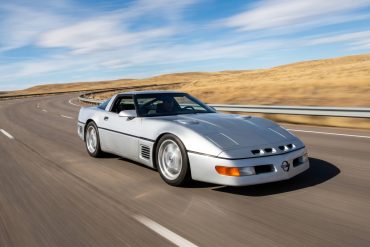


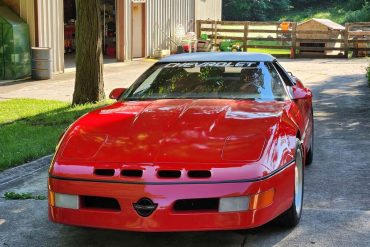


The 1996 Grand Sport & Collector Edition
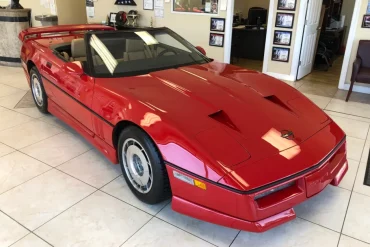
The C4’s farewell, built for one year only. The Grand Sport (RPO Z16) put the 330-horsepower LT4 and the six-speed in 1,000 Admiral Blue cars with a white stripe, two red hash marks on the left fender, black 17-inch ZR-1-size wheels, flared rear arches on the 810 coupes and a VIN series of their own, in homage to Duntov’s five 1963 Grand Sports; the 190 convertibles got narrower tires and no flares. The Collector Edition (RPO Z15) was the volume special: 5,412 Sebring Silver cars, 4,031 coupes and 1,381 convertibles, with silver five-spoke wheels, black-trimmed emblems and embroidered seats, with either engine. Grand Sports sold for $32,500 to $50,000 at auction in 2026 and are the most collectible C4 after the ZR-1; Collector Editions trade close to a standard 1996.
MORE: THE GRAND SPORT GUIDE / THE COLLECTOR EDITION GUIDE / ALL 1996 GRAND SPORT POSTS


The C4 Corvette Race Cars
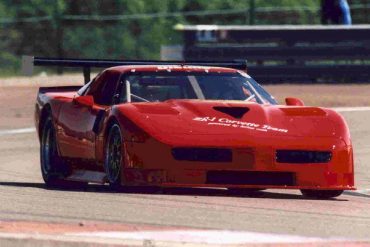
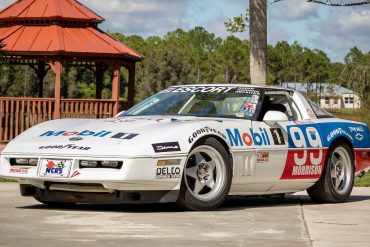
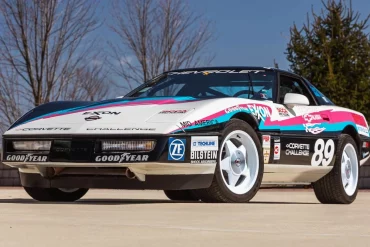
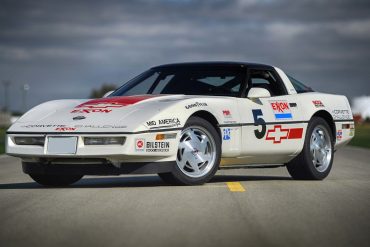
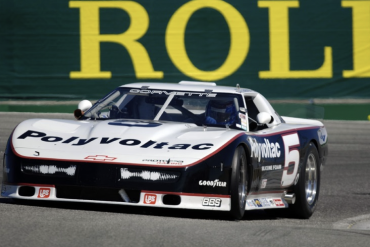
The C4 raced in more forms than any Corvette before it. The Lola-built, turbo-V6 Corvette GTP prototypes carried the name in IMSA from 1984 to 1989 and won twice in 1986; the Protofab tube-frame Corvettes ran Trans-Am and IMSA GTO in 1987–88 and won the GTO class at Sebring; showroom-stock C4s won every SCCA Showroom Stock GT race from 1985 to 1987 until the series threw them out, which produced the one-make Corvette Challenge of 1988–89, 56 and then 60 factory-sealed cars; Doug Rippie’s ZR-1s and the Callaway SuperNatural LMs went to Le Mans in 1994 and 1995, where a Callaway finished ninth overall and second in GT2.
MORE: THE CORVETTE GTP / THE CORVETTE CHALLENGE / ALL RACE CARS POSTS
The C4-Era Concepts & Prototypes
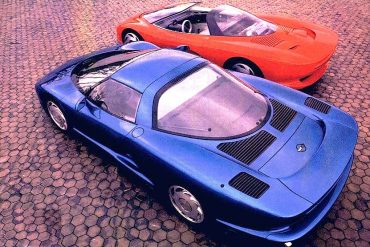
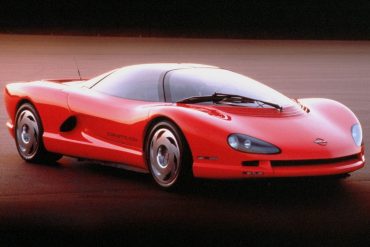
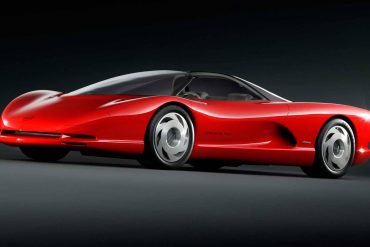
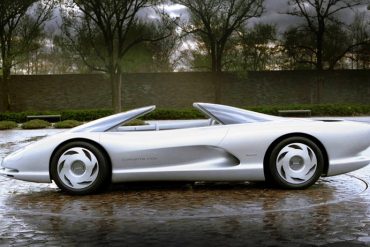
The mid-engine Corvette never stopped being drawn. The Corvette Indy of 1986, built around the Ilmor-Chevrolet Indy V-8 with four-wheel drive, four-wheel steering and active suspension, became the running CERV III of 1990, with a twin-turbo LT5 and 650 horsepower, the car that proved the C8’s layout thirty years early. Bertone built the Ramarro on a 1984 and the Nivola on a ZR-1, Chevrolet showed the Stingray III in 1992 and the CERV IV test car for the C5, and Corvette engineering built the ZR-1 Spyder, the ZR-2 “Big Doggie” with a 454, the Snake Skinner lightweight and the 3,000-psi active-suspension ZR-1s for the Challenge series that GM shelved. None reached production; several survive in the National Corvette Museum.
MORE: THE CORVETTE INDY / CERV III / ALL CONCEPTS POSTS
C4 Corvette Engines
The C4 started with the C3’s last engine and ended with the C5’s predecessor. The 1984 carried over the L83, a 350 with twin-throttle-body Cross-Fire Injection, at 205 horsepower; it lasted one year. Tuned-Port Injection made the 1985 L98 a 230-horsepower engine with 330 lb-ft, and the L98 then gained aluminum heads (1986), roller lifters (1987, 240 hp), Multec injectors (1989) and speed-density injection (1990) on its way to 245 horsepower, or 250 with the 3.07 axle, before it bowed out in 1991. The 1992 LT1 was a new engine wearing an old name: reverse-flow cooling, 10.5:1 compression, Optispark distributor and 300 horsepower, with sequential injection from 1994 and OBD-II in 1996, when the LT4 added better heads, a hotter cam and roller rockers for 330 horsepower on six-speed cars.
Above them sat the LT5, the ZR-1’s all-aluminum 5.7-liter with four overhead cams, 32 valves, a three-stage intake and a valet key, designed by Lotus and built by Mercury Marine: 375 horsepower from 1990 and 405 from 1993, the most powerful Corvette engine until the C6 Z06. Alongside them, Callaway’s B2K put two turbochargers on the L98 for 345 to 403 horsepower under the factory warranty, and the SuperNatural stroked the LT1 to 383 cubic inches and 400 to 435 horsepower.
On a C4 the engine pad still matters, but the LT5 is the one to verify: the Mercury Marine serial plate, the Lotus intake and the ZR-1 VIN (a Z in the fourth position) must agree, and a 405-horsepower 1993–95 engine is worth more than a 375. The engine guides linked in the table cover each one in detail.
MORE: EVERY C4 ENGINE
| RPO | ENGINE | OUTPUT | YEARS | MORE |
|---|---|---|---|---|
| L83 | 350 ci small block with Cross-Fire Injection (twin throttle bodies), carried over from the 1982; the only 1984 engine | 205 hp / 290 lb-ft | 1984 | Guide |
| L98 | 350 ci with Tuned-Port Injection: cast-iron heads (1985–86), aluminum heads (1986–91), roller lifters (1987), Multec injectors (1989), speed-density (1990); 245 hp only with the 3.07 axle from 1988, 250 hp from 1990 | 230 / 235 / 240 / 245 / 250 hp | 1985–91 | Guide |
| B2K | Callaway Twin Turbo conversion of the L98, ordered through Chevrolet as RPO B2K: 345 hp (1987), 382 hp (1988–89), 390 hp (1990), 403 hp (1991); 507 built | 345 to 403 hp | 1987–91 | Guide |
| LT5 | 5.7 L all-aluminum DOHC 32-valve V-8 designed by Lotus and built by Mercury Marine; three-stage induction, valet key; 375 hp (1990–92), 405 hp with new heads, cams and four-bolt mains (1993–95); 6,939 built | 375 / 405 hp | 1990–95 | Guide |
| LT1 | 350 ci Gen II small block: reverse-flow cooling, 10.5:1, Optispark, Mobil 1 factory fill; sequential injection from 1994, OBD-II in 1996 | 300 hp / 330–340 lb-ft | 1992–96 | Guide |
| LT4 | LT1 with aluminum heads of a new design, hotter cam, roller rockers, 10.8:1; six-speed only, standard in the Grand Sport; $1,450 | 330 hp / 340 lb-ft | 1996 | Guide |
| SuperNatural | Callaway’s naturally aspirated 383 ci stroker LT1 with CNC-ported heads, sold through Callaway rather than Chevrolet; the basis of the 1994–95 Le Mans cars | 400 / 435 hp | 1992–96 | Guide |
The C4 Corvette in Competition
The C4 was the first Corvette Chevrolet raced with its own name on the door. The Corvette GTP, a Lola T710 with a turbocharged 3.4-liter Chevrolet V-6 of 775 to 1,100 horsepower, ran IMSA’s top class from 1984 to 1989 and, with Hendrick Motorsports, took seven poles and two wins in 1986, at Road Atlanta and Palm Beach, with Sarel van der Merwe and Doc Bundy. The Protofab tube-frame Corvettes of 1987–88 raced Trans-Am and IMSA GTO for Tommy Morrison with Greg Pickett, Tommy Riggins, Wally Dallenbach Jr. and John Jones, and won the GTO class at the 1988 Sebring 12 Hours and at Lime Rock. The production car did better still: showroom-stock C4s won every SCCA Showroom Stock GT race from 1985 through 1987, so completely that the series banned the Corvette for 1988.
Chevrolet’s answer was the Corvette Challenge, a one-make series conceived by John Powell with 56 identical cars in 1988 and 60 in 1989, prepared by Protofab with factory-sealed engines swapped between rounds, that put the Corvette back on television and gave Doug Rippie, Stu Hayner and Bill Cooper their names. In March 1990 a near-stock ZR-1 and an L98 coupe ran for more than 28 hours at the Firestone test track in Fort Stockton, Texas, with Tommy Morrison, John Heinricy, Stu Hayner and Kim Baker among the drivers, and took the 24-hour world record at 175.885 mph, the mark Ab Jenkins had held since 1940, and the 5,000-mile record at 173.791 mph. The C4 then went to Le Mans: Callaway’s SuperNatural LM ran out of fuel in 1994 and came back in 1995 to finish ninth overall and second in GT2, with a second Callaway third in class, while Rippie’s Corvette Team USA ZR-1 retired from the GT1 race.
The C4 also paced Indianapolis twice, with Chuck Yeager in the yellow 1986 convertible and Jim Perkins in the Dark Purple 1995, and both pace cars became replicas, 7,315 and 527 of them. Chevrolet’s full factory program would wait for the C5-R in 1999.
MORE: THE CORVETTE GTP / THE CORVETTE CHALLENGE / THE 1990 RECORD RUN / SHOWROOM STOCK
| YEAR | CAR | EVENT | RESULT |
|---|---|---|---|
| 1984–89 | Corvette GTP (Lola T710, turbo Chevrolet V-6) | IMSA Camel GTP | Two wins in 1986, Road Atlanta and Palm Beach (Hendrick; van der Merwe / Bundy), seven poles |
| 1985–87 | Showroom-stock Corvettes (Morrison, Bakeracing and others) | SCCA Showroom Stock GT / Escort Endurance | Won every race three seasons running; banned for 1988 |
| 1986 | Yellow convertible, Chuck Yeager driving | Indianapolis 500 | Pace car; all 7,315 convertibles built as replicas |
| 1987–88 | Protofab tube-frame Corvettes, Morrison Motorsports | SCCA Trans-Am / IMSA GTO | GTO class win, 1988 Sebring 12 Hours (Jones / Dallenbach); win at Lime Rock |
| 1988–89 | Corvette Challenge (56 cars, then 60) | SCCA one-make series | Factory-sealed L98s, Protofab prep; the first Corvette one-make series |
| 1990 | ZR-1 and L98 coupe, Morrison / Heinricy / Hayner / Baker and others | Fort Stockton, Texas, March 1–2 | 24-hour world record 175.885 mph; 5,000 miles at 173.791 mph |
| 1994–95 | Callaway SuperNatural Corvette LM | 24 Hours of Le Mans, GT2 | Retired 1994; 9th overall and 2nd in GT2 in 1995, a second car 3rd in class |
| 1995 | Corvette Team USA ZR-1 (Doug Rippie, DRZ-500 LT5) | 24 Hours of Le Mans, GT1 | Retired early; the only C4 ZR-1 to race at Le Mans |
| 1995 | Dark Purple convertible, Jim Perkins driving | Indianapolis 500 | Pace car; 527 replicas built |
Buying a C4 Corvette
What They Bring & What To Check
The C4 is the cheapest modern Corvette and the market sorts it by engine first and edition second. ZR-1s sit on top, then the Grand Sport, the documented Callaways, the 35th and 40th Anniversary cars and the two Pace Car replicas; then six-speed LT1 cars, then L98 cars by year, with the 1984 Cross-Fire and the 1985–87 4+3 cars at the bottom. Mileage counts for more on a C4 than on any older Corvette, because so many were kept as second cars: a 5,000-mile example of any year brings two or three times the price of a 60,000-mile one, and a six-speed brings a premium on everything built after 1988.
Results tracked by Classic.com and the auction houses between late 2025 and October 2026 show the spread. 1984s sold for $4,000 to $11,500, with one 11,000-mile car at $22,500; 1985–91 L98 coupes and convertibles for $5,000 to $20,000 and the best low-mile cars to $30,800 and $44,000; 1992–96 LT1 cars for $6,400 to $20,000 with 13,000-mile examples at $31,900 and $45,000. 35th Anniversary coupes brought $15,250 to $22,750, 40th Anniversary cars $9,350 to $26,400, 1995 Pace Car replicas were bid to $19,000 without selling and 1986 Pace Car convertibles made $6,600 to $26,400. ZR-1s sold for $15,250 to $53,500 for 1990–92 cars and $43,000 to $85,000 for the 405-horsepower 1993–95s, with Classic.com’s C4 ZR-1 benchmark at $37,240 in October 2026; Grand Sports for $32,500 to $50,000; Callaway B2Ks for $34,100 to $50,500 for documented cars. Check whether a result includes the buyer’s premium, and treat asking prices and unsold high bids separately from completed sales.
Verification on a C4 is easier than on a chrome-bumper car because the VIN says most of it: the fourth character is a Z on a ZR-1, the Grand Sport has its own serial series and RPO Z16 on the build sheet, the 35th and 40th Anniversary packages are RPOs Z01 and Z25 and the 1995 Pace Car Z4Z on the SPID label in the console, and a Callaway carries its own serial plate and a B2K line on the GM paperwork, which Callaway Cars will confirm from its records. An LT5 needs its Mercury Marine serial plate; a 1993–95 engine in a 1990–92 car is a swap. Build sheets and window stickers survive on many C4s, and the NCM’s Corvette archives will pull the production order for a fee.
What breaks is well known. The 1984–89 digital dashes fail and the LCDs fade, the 4+3’s overdrive unit and its control electronics are the weak point of 1984–88 manuals, early Optispark distributors on 1992–94 LT1s drown when the water pump weeps, the Bose amplifiers die, the pop-up headlight motors strip their gears, the weatherstrips on the roof panel leak, the fiberglass springs are fine but the aluminum arms corrode where steel bolts pass through them, and the ZR-1’s LT5 is reliable but expensive: cams, timing chains and injectors cost ZR-1 money. Convertibles need the top and the rear window checked, and any C4 that has sat needs tires, brake calipers and the fuel system. The buyer’s guide below goes year by year, and a 1992–96 LT1 six-speed is its recommended place to start.
MORE: THE MARKET





C4 Corvette Technical Research
The numbers behind the C4: production figures and build dates for all thirteen years, VIN decoding, every RPO and factory option with its price and take rate, the color charts, specifications and performance, sales brochures, owners manuals, technical service bulletins, recalls, common problems, maintenance schedules and our 1984 DIY series. The year pages carry each model year’s own set.
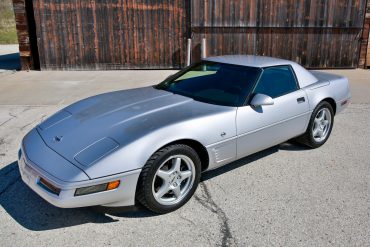


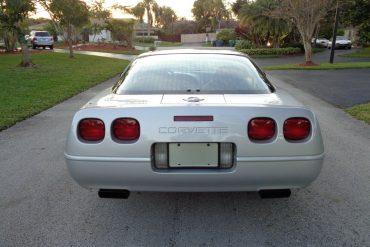

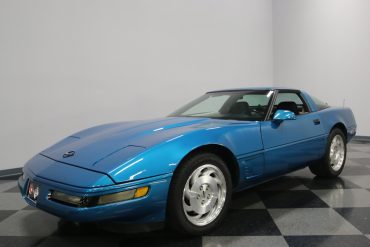


C4 Corvette Pictures, Videos, Wallpapers & Galleries
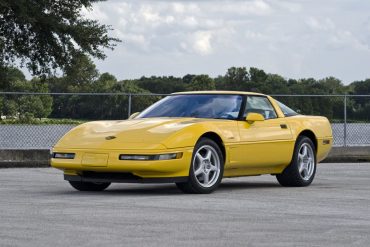
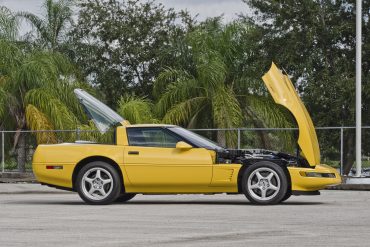
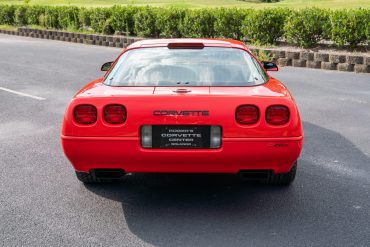
The C4 from every angle: galleries for each year, wallpapers, the C4s we have featured as Corvette of the Day, and videos of ZR-1s, Callaways, Grand Sports, Challenge cars and barn finds on the road, at auction and on track.
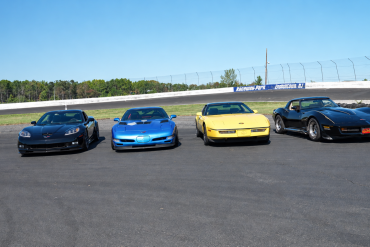
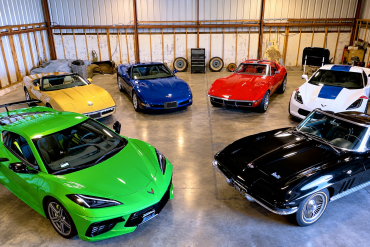


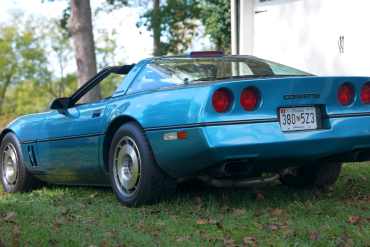


Everything We've Published On The C4 Corvette
Every story tagged C4 Corvette, newest first: cars for sale and auction results, restorations and restomods, DIY and mod guides, videos, galleries and history. The latest headlines here.


FAQs
What years are the C4 Corvette?
The C4 Corvette was built for thirteen model years, 1984 through 1996. There was no 1983 Corvette: the new car ran late and Chevrolet sold it from March 1983 as a 1984, so the first model year lasted eighteen months. The C3 preceded it, ending with the 1982, and the C5 replaced it for 1997. Within the generation the cars are usually split by engine: the Cross-Fire 1984, the Tuned-Port L98 cars of 1985–91, and the LT1 cars of 1992–96, with the ZR-1 as its own line from 1990 to 1995.
How many C4 Corvettes were built?
358,180: 51,547 in 1984, 39,729 in 1985, 35,109 in 1986, 30,632 in 1987, 22,789 in 1988, 26,412 in 1989, 23,646 in 1990, 20,639 in 1991, 20,479 in 1992, 21,590 in 1993, 23,330 in 1994, 20,742 in 1995 and 21,536 in 1996. 283,529 were coupes and 74,651 convertibles, which were built from 1986. The rare ones are the 6,939 ZR-1s, the 507 Callaway B2Ks and the single Sledgehammer, the 1,000 Grand Sports, the 2,050 35th Anniversary coupes, the 527 1995 Pace Car replicas and the 84 1989 ZR-1s that were never sold.
Who designed the C4 Corvette?
Jerry Palmer, head of Chevrolet Production Studio Three, designed the body under GM design chiefs Irv Rybicki and Chuck Jordan, with Pat Furey’s studio on the interior and John Cafaro, later the C5’s designer, on the engine bay. Dave McLellan, who had succeeded Zora Arkus-Duntov as Corvette chief engineer in January 1975, led the engineering: the uniframe chassis, the aluminum suspension with fiberglass springs and the rack-and-pinion steering were his team’s. Lotus designed the ZR-1’s LT5 engine under Tony Rudd, and Mercury Marine built it.
What engines did the C4 Corvette have?
All 350-cubic-inch (5.7-liter) V-8s. The 1984 L83 with Cross-Fire Injection made 205 horsepower; the L98 with Tuned-Port Injection made 230 horsepower in 1985, 240 from 1987 and 245 to 250 by 1990–91; the Gen II LT1 of 1992–96 made 300 horsepower and the 1996 LT4 330. The ZR-1’s LT5, an all-aluminum 32-valve engine with four overhead camshafts designed by Lotus and built by Mercury Marine, made 375 horsepower from 1990 and 405 from 1993. Callaway’s dealer-ordered B2K twin-turbo made 345 to 403 horsepower from 1987 to 1991. Transmissions were the Doug Nash 4+3 manual through 1988, the ZF six-speed from 1989 and a four-speed automatic throughout.
What changed from the C3 to the C4 Corvette?
Everything but the engine. The C4 replaced the 1963-vintage ladder frame with a galvanized uniframe and backbone, the steel suspension arms with forged aluminum, the coil and steel-leaf springs with fiberglass transverse leaves front and rear, recirculating-ball with rack-and-pinion steering and 15-inch wheels with 16-inch, in a body 8.8 inches shorter and a wheelbase 1.8 inches shorter, with a clamshell hood, a one-piece roof panel in place of T-tops, a glass hatch, a digital dashboard and a drag coefficient of 0.34 against 0.44. The 1984 kept the 1982’s 205-horsepower Cross-Fire 350 and four-speed overdrive automatic, and added the 4+3 manual.
What is a ZR-1 Corvette?
The ZR-1 (RPO ZR1, 1990–95) was the C4’s flagship: a coupe with the LT5, an all-aluminum 5.7-liter V-8 with four overhead camshafts and 32 valves designed by Lotus and built by Mercury Marine, 375 horsepower (405 from 1993), a ZF six-speed, FX3 adjustable dampers, a three-inch-wider tail with square lamps and 315-section rear tires. It cost $58,995 in 1990 against $31,979 for the coupe and $68,043 by 1995. Chevrolet built 6,939: 3,049 in 1990, 2,044 in 1991, 502 in 1992 and 448 in each of 1993, 1994 and 1995. A 1990 ZR-1 set the 24-hour world speed record at 175.885 mph. The name returned on the C6 in 2009 and the C7 and C8.
Which C4 Corvette year is the best to buy?
For a driver, a 1992–96 LT1 with the six-speed: 300 horsepower, the stronger ZF gearbox, the later dashboard and the fewest electrical faults, with the 1994–96 cars adding the passenger airbag, sequential injection and, in 1996, the LT4 and Real Time Damping. For the collector, a 1993–95 ZR-1 (405 horsepower, 448 a year), a 1996 Grand Sport (1,000) or a documented Callaway. For the least money, a 1985–89 L98 coupe, which is the cheapest modern Corvette there is; most buyers avoid the 1984’s Cross-Fire injection and the 4+3 transmission unless the car is exceptional. The 1986 convertible is the one to want for the pace-car connection, and the 1988 35th Anniversary for the look.
How much is a C4 Corvette worth today?
In 2026, ordinary C4s sold at auction for $4,000 to $20,000, 1984s at the bottom and low-mileage LT1 cars at the top, with exceptional 5,000-mile examples at $30,000 to $45,000. 35th Anniversary coupes brought $15,250 to $22,750, 40th Anniversary cars $9,350 to $26,400, ZR-1s $15,250 to $53,500 for 1990–92 cars and $43,000 to $85,000 for 1993–95s (Classic.com’s benchmark $37,240 in October 2026), Grand Sports $32,500 to $50,000, and documented Callaway B2Ks $34,100 to $50,500 with the Speedsters and the Sledgehammer in a market of their own. Results tracked by Classic.com and the auction houses; check whether a figure includes the buyer’s premium.
What were the C4 Corvette special models?
Factory: the 1986 Indy 500 Pace Car (every 1986 convertible, 7,315), the 1988 35th Anniversary Z01 (2,050), the 1990–95 ZR-1 (6,939), the 1993 40th Anniversary package (6,749), the 1995 Indy 500 Pace Car replica (527), the 1996 Grand Sport (1,000) and the 1996 Collector Edition (5,412). Dealer-ordered: the Callaway Twin Turbo B2K of 1987–91 (507). Tuner: the Callaway Speedster, SuperNatural and Sledgehammer, the Guldstrand GS80 and GS90, the Lingenfelter cars and the Greenwood G4R. Prototypes and concepts: the Corvette Indy, CERV III, CERV IV, the Stingray III, the Bertone Ramarro and Nivola, the ZR-1 Spyder, the ZR-2 “Big Doggie” and the Snake Skinner.
How did the C4 Corvette do in racing?
Better than any Corvette since the 1960s. Showroom-stock C4s won every SCCA Showroom Stock GT race from 1985 to 1987 and were banned, which created the one-make Corvette Challenge of 1988–89; the Corvette GTP prototypes won twice in IMSA in 1986; the Protofab Corvettes won the GTO class at Sebring in 1988; a ZR-1 set the 24-hour world record at 175.885 mph in 1990; and the Callaway SuperNatural LM finished ninth overall and second in GT2 at Le Mans in 1995. The C4 also paced the Indianapolis 500 in 1986 and 1995. Chevrolet’s full factory team, Corvette Racing, arrived with the C5-R in 1999.
What are the common problems with a C4 Corvette?
Failed or fading digital dashboards on 1984–89 cars; the 4+3 manual’s overdrive unit and electronics (1984–88); the Cross-Fire injection on the 1984; early Optispark distributors on 1992–94 LT1s, which fail when the water pump leaks on them; dead Bose amplifiers; stripped headlight-motor gears; leaking roof-panel and hatch seals; corroded aluminum suspension arms and brittle wiring and vacuum lines on older cars; and on the ZR-1, LT5 service costs for cams, chains and injectors, though the engine itself is robust. The C4 has the best parts supply of any classic Corvette and most of these are known, inexpensive fixes, which is why mileage and condition set the price more than the year.
Is a C4 Corvette a good investment?
The ZR-1, the Grand Sport and the documented Callaways have appreciated steadily since about 2015 and the best examples set records each year, but with 358,180 built the C4 is mostly a driver’s car whose prices track mileage and condition rather than the collector market, and the L98 cars have been the cheapest modern Corvettes for two decades. A low-mileage ZR-1, Grand Sport or Callaway bought with its paperwork has held value; an ordinary C4 is bought to be driven. We are not financial advisers; dated Classic.com results and the car’s build sheet, window sticker and NCM production order are the places to check before paying.
All The Research
C4 Corvette Advertisements / C4 Corvette Build Dates / C4 Corvette Buyer’s Guide / C4 Corvette Colors / C4 Corvette Common Issues / C4 Corvette DIY / C4 Corvette Engine / C4 Corvette Engines (All) / C4 Corvette Factory Options / C4 Corvette Maintenance / C4 Corvette Mods / C4 Corvette Owners Manual / C4 Corvette Performance / C4 Corvette Posters / C4 Corvette Pricing / C4 Corvette Production / C4 Corvette Production Figures / C4 Corvette Recalls / C4 Corvette Research / C4 Corvette RPO Codes / C4 Corvette Sales Brochures / C4 Corvette Service Bulletins / C4 Corvette Specifications / C4 Corvette VIN Decoder / C4 Corvette VIN Numbers